



Flooring Guide1 min read
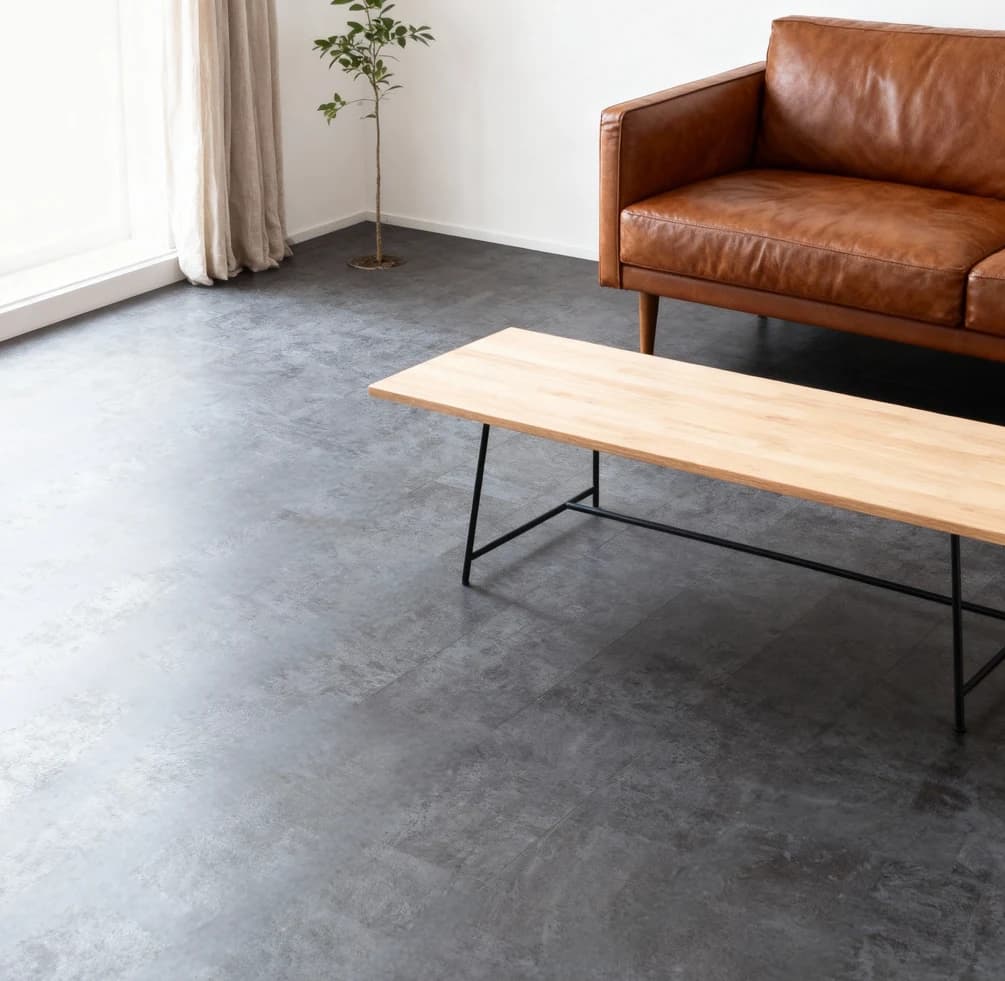
Luxury vinyl planks (LVP) are thin, flexible flooring strips made almost entirely of vinyl, designed to mimic wood or stone at a lower cost and a lower installed height than laminate or SPC. They're fully waterproof at the surface, easy to install, and one of the most budget-friendly ways to get a convincing wood-look floor.
What sets LVP apart from laminate and SPC
Where laminate and SPC are rigid planks that click together and float above the subfloor, LVP is thin and flexible, usually glued directly down, though click versions exist too. That flexibility means a much thinner overall profile, which matters in renovations where raising the floor height even slightly causes problems with doors, thresholds, or skirting.
Where LVP makes the most sense
- Rental properties and budget renovations, where cost-per-square-foot matters most
- Light commercial spaces that still want a premium look without a premium spend
- Rooms with underfloor heating, since certain LVP formats are built to handle it
- Any renovation where keeping the existing floor height is important
What to weigh before choosing LVP
LVP is more affordable and easier to install than SPC or engineered wood, but it’s also generally less durable under heavy, sustained commercial traffic, and the thinner profile can telegraph subfloor imperfections more visibly than a rigid SPC plank would. For a rental unit or a light-use residential room, that trade-off rarely matters. For a busy commercial lobby, SPC is usually the better long-term investment.
Tagged with :
Common Questions
Frequently Asked Questions
Yes, LVP is generally fully waterproof at the surface, which is part of why it's popular for kitchens, bathrooms, and rental properties where low-maintenance flooring matters.
LVP is typically the most affordable of the three, largely because of its thinner, simpler construction; SPC and premium laminate cost more but offer greater rigidity and durability under heavy use.
It's more forgiving than tile, but because it's thin and flexible, an uneven subfloor will show through more than it would with a rigid SPC plank, so proper subfloor prep matters more with LVP than with most other flooring types.
Related Reading
Leave a Reply
Your email address will not be published. Required fields are marked *

Comments(0)
No comments yet. Be the first to share your thoughts.